Understanding China’s Cultural Nuances
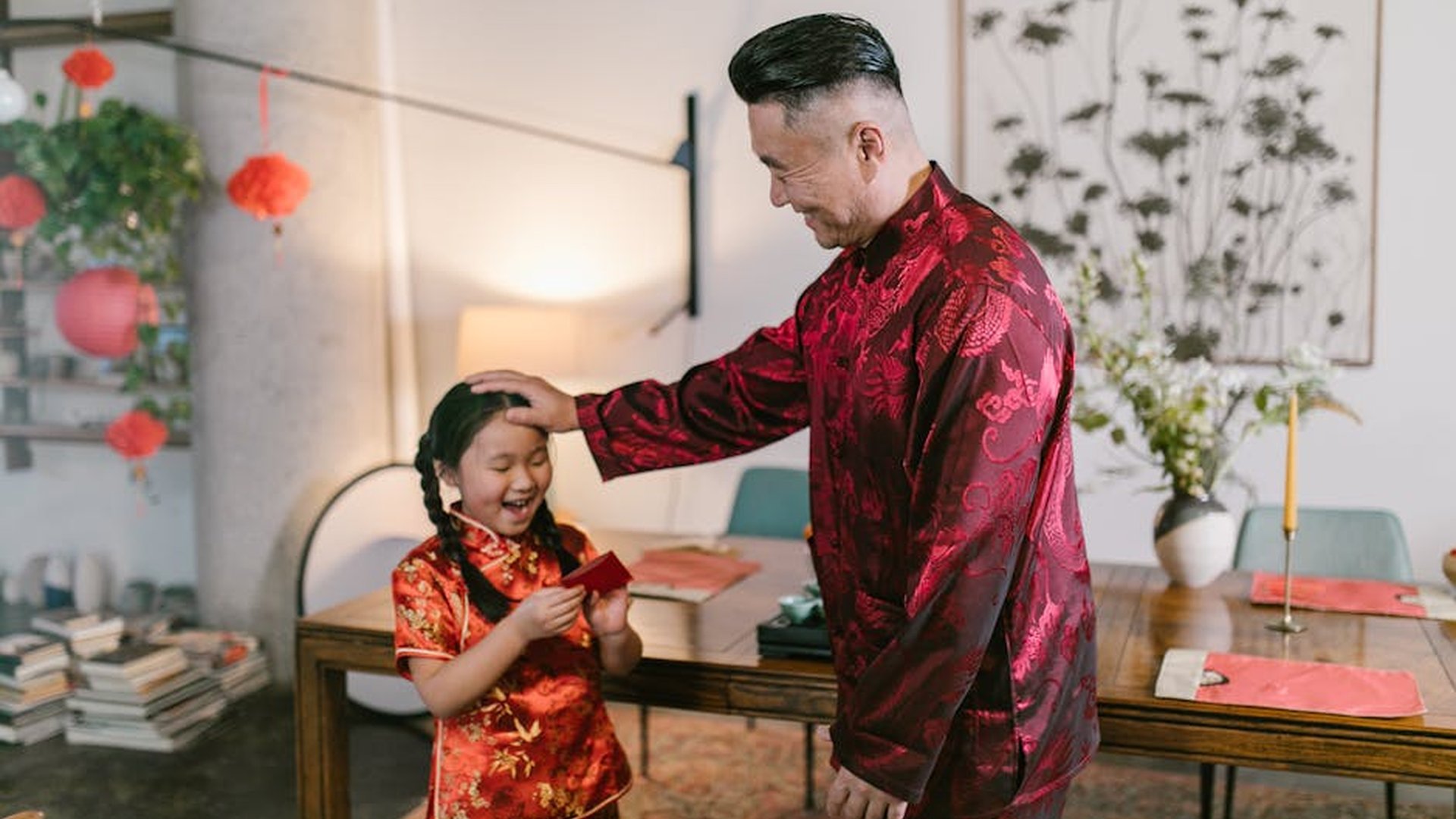
China is not just a country—it’s a living tapestry of history, tradition, and modern energy. For first-time travelers, one of the biggest challenges isn’t finding the right destination, but understanding the unspoken rules of daily life. A simple gesture, like bowing slightly when greeting someone, can go a long way in building respect. Many visitors are surprised by how deeply politeness and indirect communication are woven into everyday interactions. For example, saying “no” directly is often avoided; instead, people might say “we’ll think about it” or simply remain silent. This isn’t hesitation—it’s a form of cultural diplomacy. If you’re offered tea, always accept with both hands, even if you don’t plan to drink it. The gesture itself carries meaning. Also, avoid loud public conversations—quietness is often valued in public spaces, whether on a subway or in a temple courtyard. Observing these small signs of respect makes a lasting impression.
Getting Around: Transportation That Works
One of the most impressive aspects of traveling in China is its transportation system. Whether you’re in Beijing, Shanghai, or Chengdu, you’ll find that public transit is not just efficient—it’s world-class. The metro networks in major cities are expansive, clean, and well-marked. In Shanghai, for instance, the metro system stretches over 800 kilometers and connects even remote neighborhoods to the city center. It’s so advanced that most visitors find it easier than using ride-hailing apps. Most stations have bilingual signs, and many offer free Wi-Fi. Even better, the fare is low—typically under $2 for a full journey. For intercity travel, China’s high-speed rail network is unmatched. A trip from Beijing to Shanghai takes just 4.5 hours, costs less than $60, and offers panoramic views of rice fields, ancient villages, and modern urban clusters. If you’re not comfortable with Chinese-only apps, many platforms like Trip.com or Ctrip (now Trip.com) now offer English interfaces. Still, having a simple travel phrasebook—especially for word like “station,” “exit,” and “ticket”—can prevent small mix-ups. Always carry cash, too. While cashless payments like Alipay and WeChat Pay are everywhere, they don’t always work at small restaurants or remote local markets.

Food and Dining: More Than Just a Meal
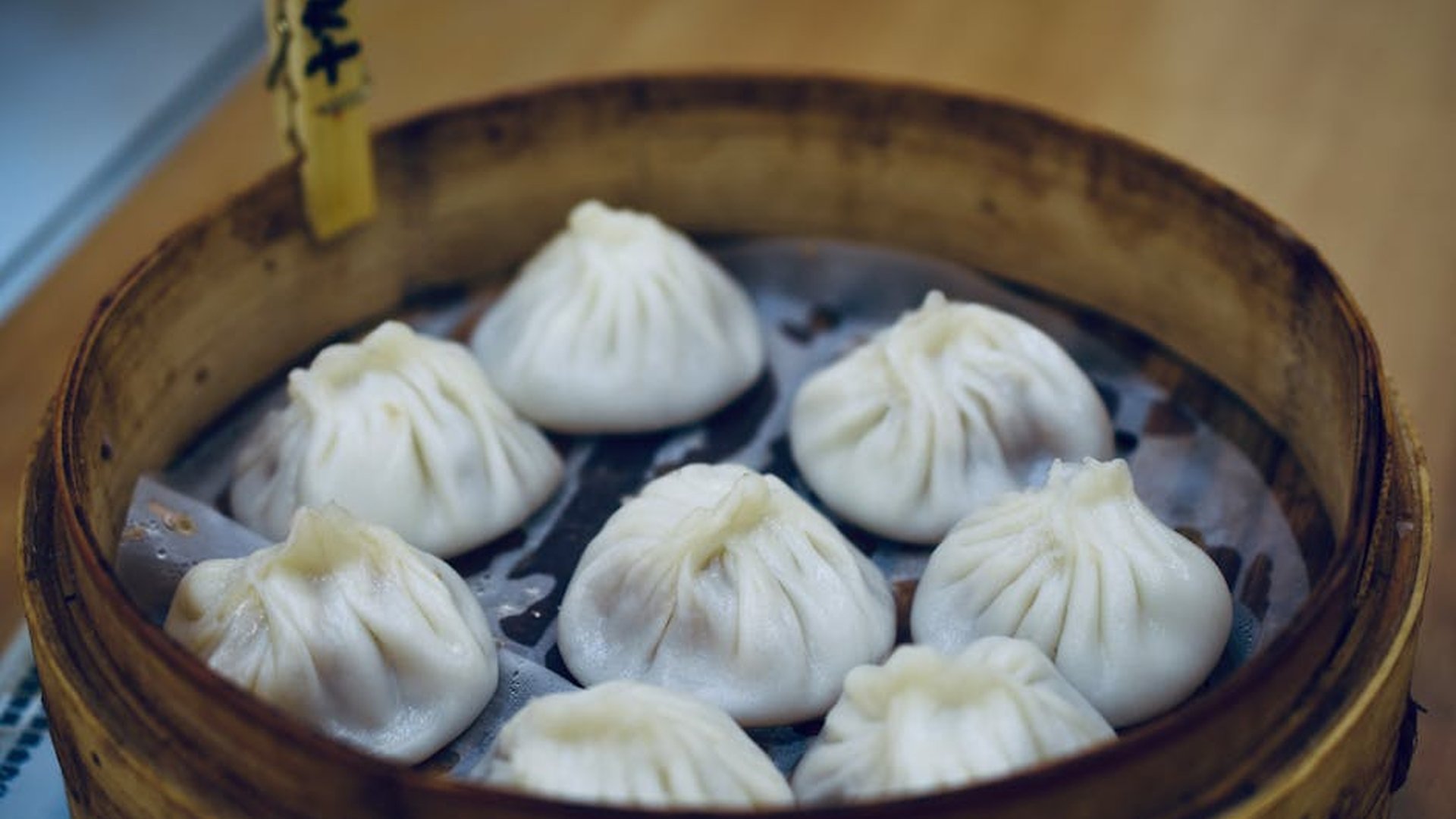
In China, food is not just sustenance—it’s identity. Every region has its own culinary soul: Sichuan’s spice, Guangdong’s dim sum, and Xinjiang’s grilled lamb all tell stories of geography, history, and family. As a first-time visitor, your challenge isn’t choosing what to eat—but understanding how to eat it. When seated, wait for the eldest person at the table to start eating first. This tradition, known as “entering the meal,” shows respect and signals the start of a shared experience. Also, never stick your chopsticks vertically into a bowl of rice—this resembles a funeral ritual and is deeply offensive. Use a fork or spoon if you’re not confident with chopsticks, but don’t panic. Most restaurants will provide both. If you’re visiting a local home, avoid eating the last piece of food from a shared dish—leave a little behind as a sign of generosity. Another common oversight: never point at someone with your chopsticks. It’s considered rude, even offensive. And while it’s tempting to order a Western dish on the menu, try at least one local specialty. In Chengdu, for example, a bowl of Dan Dan Noodles—spicy, numbing, and rich with Sichuan peppercorn—can change your idea of what noodles should be. Many first-timers assume Chinese food is always too spicy, but not all regional cuisines are hot. Hunan is known for its heat, but Beijing dishes tend to be more balanced and savory.
Staying Safe and Aware
China is one of the safest countries for international travelers. Crime rates are low, and most tourists report feeling more secure here than in their own cities. Still, basic precautions help. Always keep your passport and travel insurance documents in a secure money belt or hotel safe. While Wi-Fi is widely available, avoid using public networks to access banking apps or send sensitive information. Use a trusted VPN if you plan to access blocked websites like Google, Facebook, or YouTube. Some travelers also use local SIM cards, which are easy to buy and often include generous data plans. The government has strict internet regulations—this isn’t a flaw, but a part of life. Don’t try to bypass censorship, as that can result in temporary loss of connectivity or account restrictions. Another safety tip: travel with a small first-aid kit. Minor stomach upsets are common, especially when trying new street food. Carry a basic pain reliever, anti-diarrheal, and electrolyte powder. Also, keep a list of local emergency numbers and embassy contacts in your phone. For example, the U.S. Embassy in Beijing is located at No. 18 Beijing Road, and their emergency line is +86-10-65321234. Though rare, knowing these details ensures peace of mind.

Final Thoughts: Travel with Curiosity, Not Expectations
China isn’t a country to visit and then check off a list. It’s a journey of discovery—one that demands openness, patience, and a willingness to step outside familiar patterns. Whether you’re standing in front of the Forbidden City at sunrise, sipping tea in a courtyard in Hangzhou, or sharing a meal with locals in a village in Yunnan, the moments that stay with you are often the quiet ones. You’ll notice the way sunlight glints off the Great Wall’s bricks, or how a grandmother smiles as she folds dumplings for the first time in front of strangers. These aren’t just memories—they’re connections. So, as you navigate the markets of Xi’an, ride the fiber-optic sky train in Guangzhou, or wander through a Han Dynasty-era temple in Luoyang, remember this: curiosity is your best travel companion. Let go of perfection. Embrace the unexpected. In China, you won’t just see a new place—you’ll feel it, taste it, and carry it with you long after you’ve returned home. And for anyone asking, “What’s it like to visit China?”—the answer always begins with “It’s not like anywhere else. But it’s always worth it.”