The Rise of Sustainable Travel
The way we travel is changing. More than ever, adventurers and casual explorers alike are choosing destinations that respect nature, support local communities, and minimize environmental impact. This shift isn’t just a trend—it’s a movement. As climate concerns grow and travelers seek deeper connections with the places they visit, eco-friendly destinations have moved from niche to necessity. These are not just postcard-perfect landscapes—they’re living, breathing models of how tourism can coexist with conservation. From solar-powered lodges to plastic-free villages, the world is offering new ways to explore with purpose.
Costa Rica: Where Nature and Tourism Share the Spotlight
If you’re looking for a country that has truly mastered the balance between tourism and nature, Costa Rica is the gold standard. This Central American gem isn’t just famous for its lush rainforests, abundant wildlife, and world-class surfing—it’s a global leader in environmental policy and sustainable development. Over 25% of its land is protected as national park or reserve, and for years, the country has run on nearly 100% renewable energy. What sets Costa Rica apart is not just its green policies, but how deeply they’re woven into the travel experience. In Monteverde, eco-lodges built into the canopy offer guests stunning views while operating with zero-waste practices and rainwater harvesting systems. Adventure seekers can hike through cloud forests guided by local conservationists who double as storytellers, sharing not just the flora and fauna but the cultural significance of each plant and animal. The country’s commitment to carbon neutrality is real—many tour operators now offer carbon-offset travel packages, and travelers can visit reforestation projects firsthand, planting saplings at community-managed forests. It’s not a performance for tourists; it’s a way of life.

Faroe Islands: Quiet Beauty with a Strong Environmental Ethic
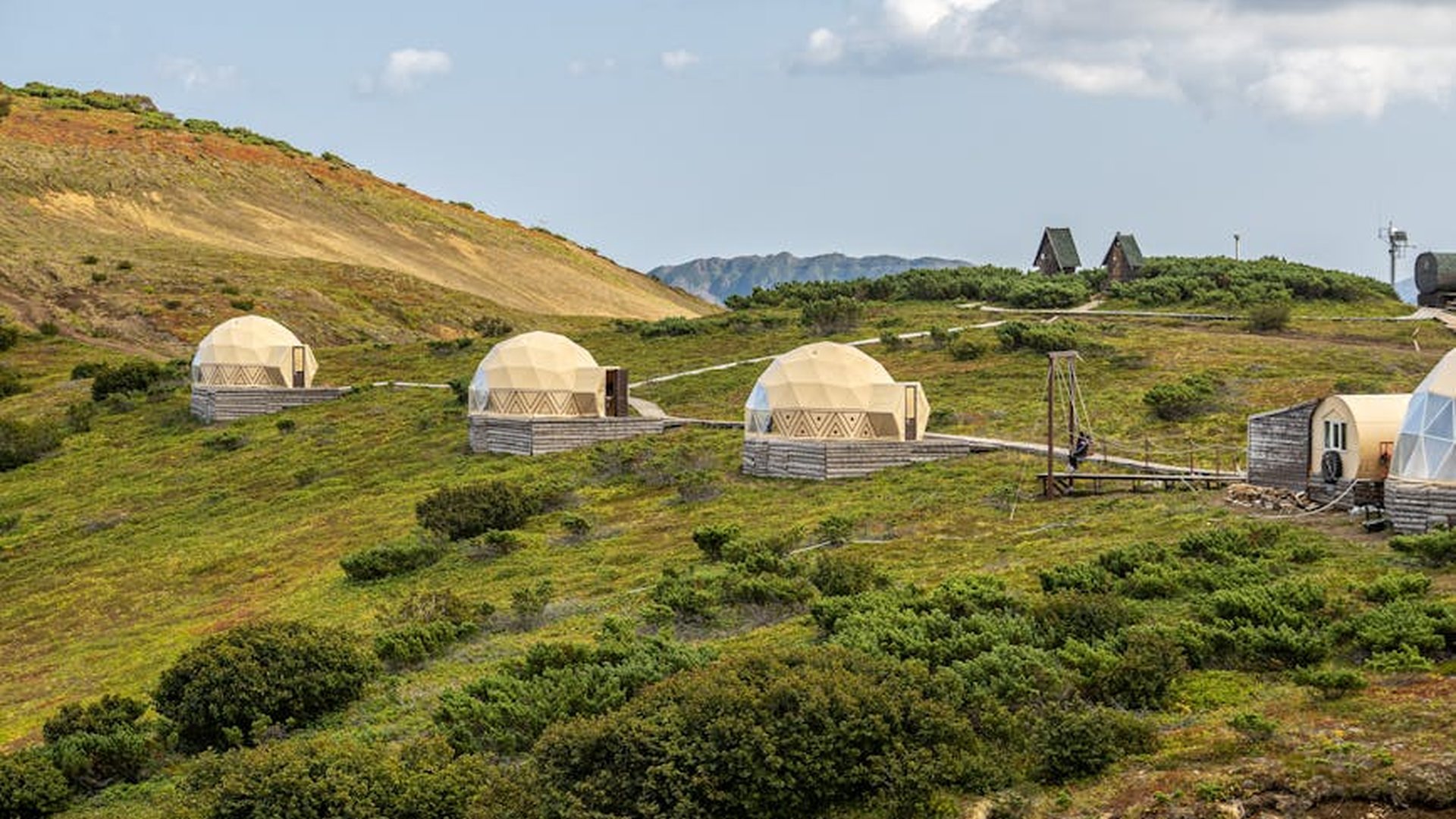
Tucked between Iceland and Norway, the Faroe Islands are an archipelago of 18 rugged, wind-swept islands that feel untouched by time. With only 56,000 residents and a strict cap on annual tourist arrivals, the Faroese government has long prioritized preservation over mass tourism. The result? A travel experience that’s deeply personal, slow, and respectful. Most accommodations are locally owned, built from stone and wood, and powered by wind and hydropower. The government spends heavily on sustainable infrastructure—like electric ferry networks and solar-powered hiking huts—ensuring that even remote paths are eco-friendly. Travelers here don’t just visit; they participate. Many towns offer seasonal volunteer programs where locals and visitors work together on coastal cleanups, birdwatching surveys, and even sustainable sheep farming demonstrations. The Faroes have also banned single-use plastics across the entire archipelago since 2019, a policy rigorously enforced. It’s not a gimmick—it’s a mindset. You’ll find residents proudly recycling, composting, and even growing food on rooftops. Traveling here isn’t about ticking boxes on a checklist. It’s about moving at nature’s pace, listening to the wind and the sea.

How to Choose an Authentic Eco-Friendly Trip
Not every green-sounding destination is truly sustainable. With eco-tourism growing, so does greenwashing—companies making false or exaggerated claims about their environmental practices. To find a destination that’s truly eco-friendly, focus on three key signals. First, look for verifiable certifications: organizations like Green Globe, Rainforest Alliance, or EarthCheck provide third-party validation of environmental standards. Second, prioritize local ownership. When a community runs a lodge, a tour, or a museum, profits stay in the region, and cultural knowledge is preserved. Third, avoid destinations with rapid hotel expansion, heavy vehicle traffic, or major construction projects. Sustainability isn’t achieved overnight. It’s built through consistency, community involvement, and long-term planning. Before booking, read reviews from real travelers—especially those who mention waste management, energy use, and local engagement. A good sign is a tour operator that offers optional carbon offset payments or provides reusable water bottles at check-in.

Why Eco-Friendly Travel Matters More Than Ever
The planet is under pressure. Oceans are warming, forests are shrinking, and wildlife populations are declining. But travel doesn’t have to be part of the problem. When done right, it becomes a force for good. Visiting eco-friendly destinations supports conservation efforts, funds local education, and encourages governments to enforce environmental laws. More importantly, it changes travelers. When you stay in a solar-powered cabin in Costa Rica, walk through a rewilded forest in the Faroes, or learn about sustainable farming from a village elder in Nepal, you don’t just see nature—you understand it. That understanding often turns casual tourists into lifelong advocates. Every time a traveler chooses a low-impact stay, reduces plastic use, or supports a local cooperative, they contribute to a global shift. As one Faroese fisherman told a visitor: “We don’t protect the land for tourists. We protect it for our children. But if you come and respect it too, then you’re part of our future.” That’s the real power of responsible travel—it’s not just about where you go. It’s about how you return: changed, wiser, and ready to help preserve the planet, one journey at a time.