The Untold Beauty of China Beyond the Tourist Trail
When most travelers think of China, they picture the Great Wall, the Forbidden City, or bustling Shanghai. But beyond the well-trodden paths lies a quieter, more soulful version of the country—one where ancient villages whisper stories, misty mountain passes lead to hidden temples, and local life unfolds in perfect harmony with nature. For those seeking real connection and meaningful journeys, exploring the top 10 hidden gems in China for travelers isn’t just a trip—it’s an awakening.
These destinations don’t rely on Instagram fame. They thrive on authenticity, tradition, and untouched beauty. Whether you’re a solo backpacker, a family looking for a peaceful getaway, or a culture enthusiast craving depth, these places promise experiences you’ll remember long after your passport is stamped.
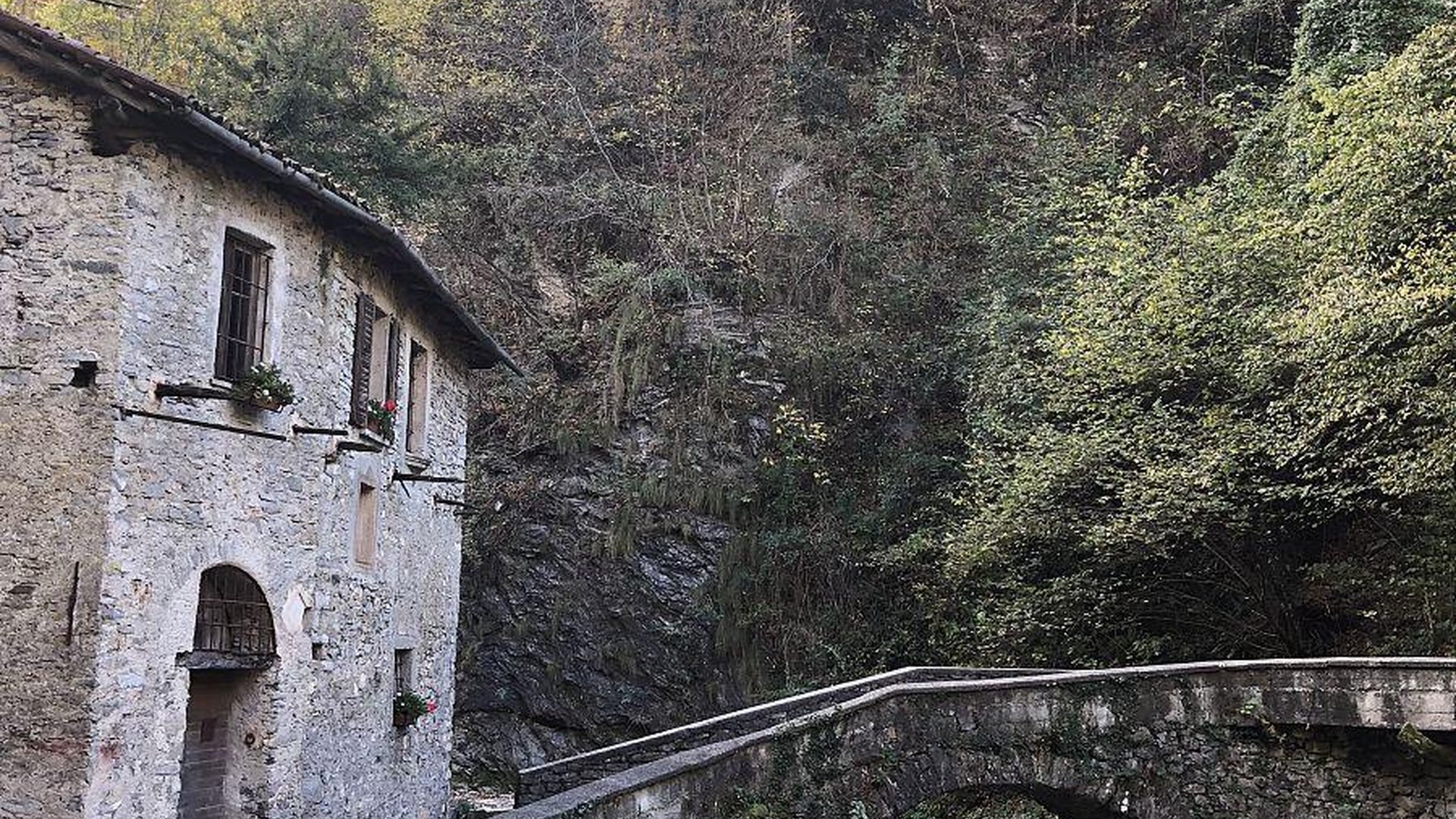
Guangxi’s Daliang Mountains: Where Rice Terraces Feel Like a Dream
Tucked deep in Guangxi’s mountainous heart, the Daliang Mountains region offers some of the most breathtaking rice terraces in China—yet remains shockingly under-visited. Unlike the famous Longji Terraces, which draw thousands daily, Daliang’s fields are still shaped by hand, using 200-year-old farming methods passed down through generations.
Wandering through the village of Bajing, you’ll pass homes made of bamboo and rammed earth, hear the soft clink of water wheels turning, and meet farmers who smile as they guide you through the seasonal cycles of planting and harvest. In spring, the fields shimmer like mirrors under morning light. In autumn, they glow gold beneath a fiery sunset. Staying at a family-run homestay, you’ll eat meals cooked over wood fires and learn how to plant seedlings with your hands.
The real magic? Hiking the 3-kilometer trail from Bajing to the village of Yungong. As you climb through pine forests and cross wooden footbridges over rushing streams, the landscape unfolds like a hand-painted scroll. At the top, a small wooden shrine overlooks an endless sea of terraces below—still, silent, and utterly peaceful.
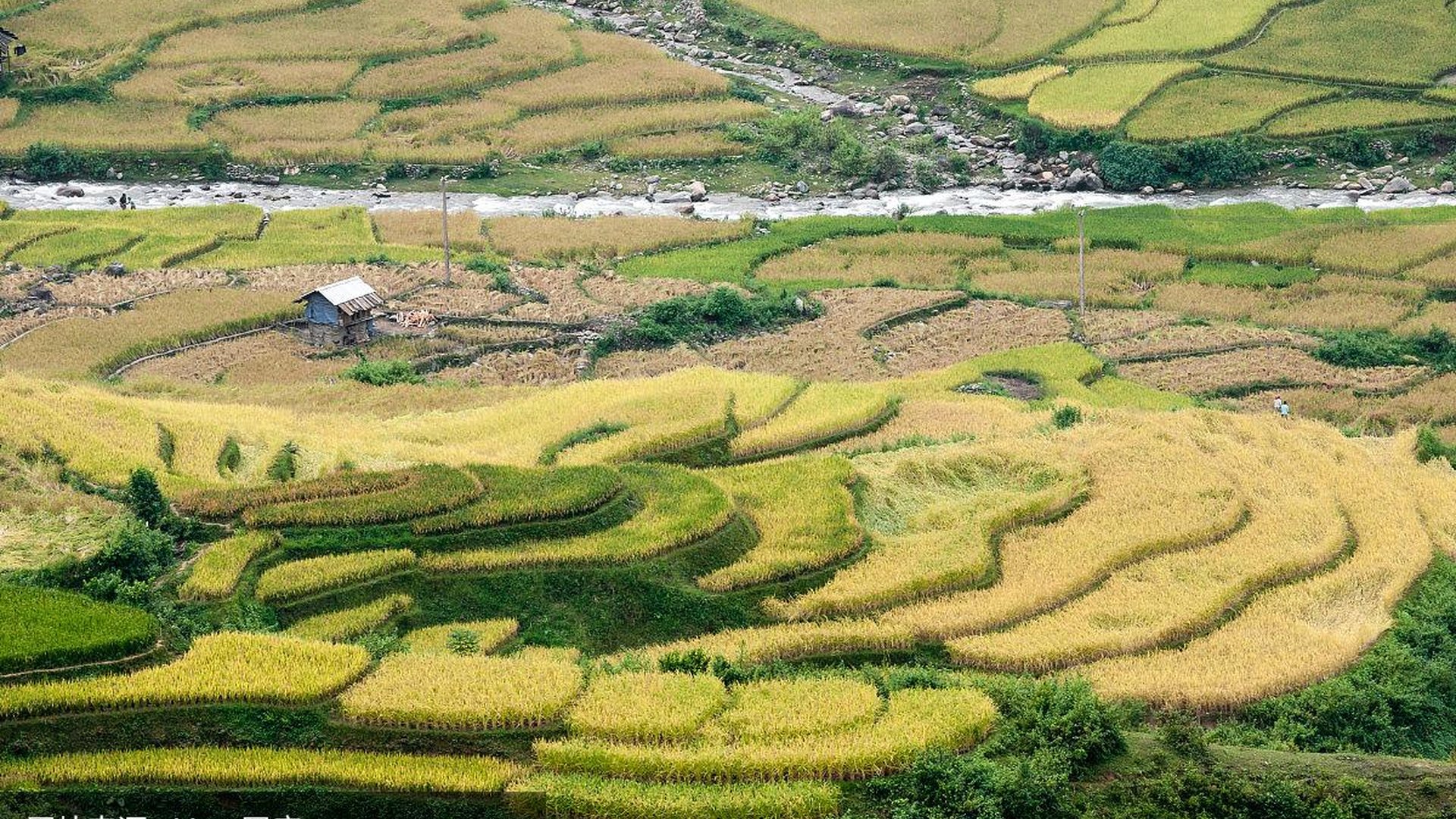
Qinghai’s Kumbum Monastery: A Spiritual Oasis in the High Plateau
High in the Qinghai Plateau, where the air thins and the sky seems to stretch forever, lies the Kumbum Monastery—one of Tibetan Buddhism’s most sacred sites. But unlike Lhasa’s Potala Palace, which pulses with pilgrims and tourists, Kumbum remains a sanctuary for true seekers.
The monastery was founded in 1583 and built over a miraculously preserved footprint of the Buddha. Its nine-story tower looms over the surrounding plains, its golden roofs catching the sun like a beacon. Inside, centuries-old murals depict complex stories of enlightenment, and countless monks chant in rhythm beneath incense-scented skies.
Visiting here isn’t about taking photos. It’s about sitting on a stone step, watching a monk spin his prayer wheel with closed eyes, and feeling the silence settle into your bones. At night, you can walk the perimeter of the monastery grounds under a sky so full of stars it feels like you’re floating. The local nomads, who visit once a year with their yaks and felt tents, welcome travelers not with banners, but with quiet nods and warm tea.
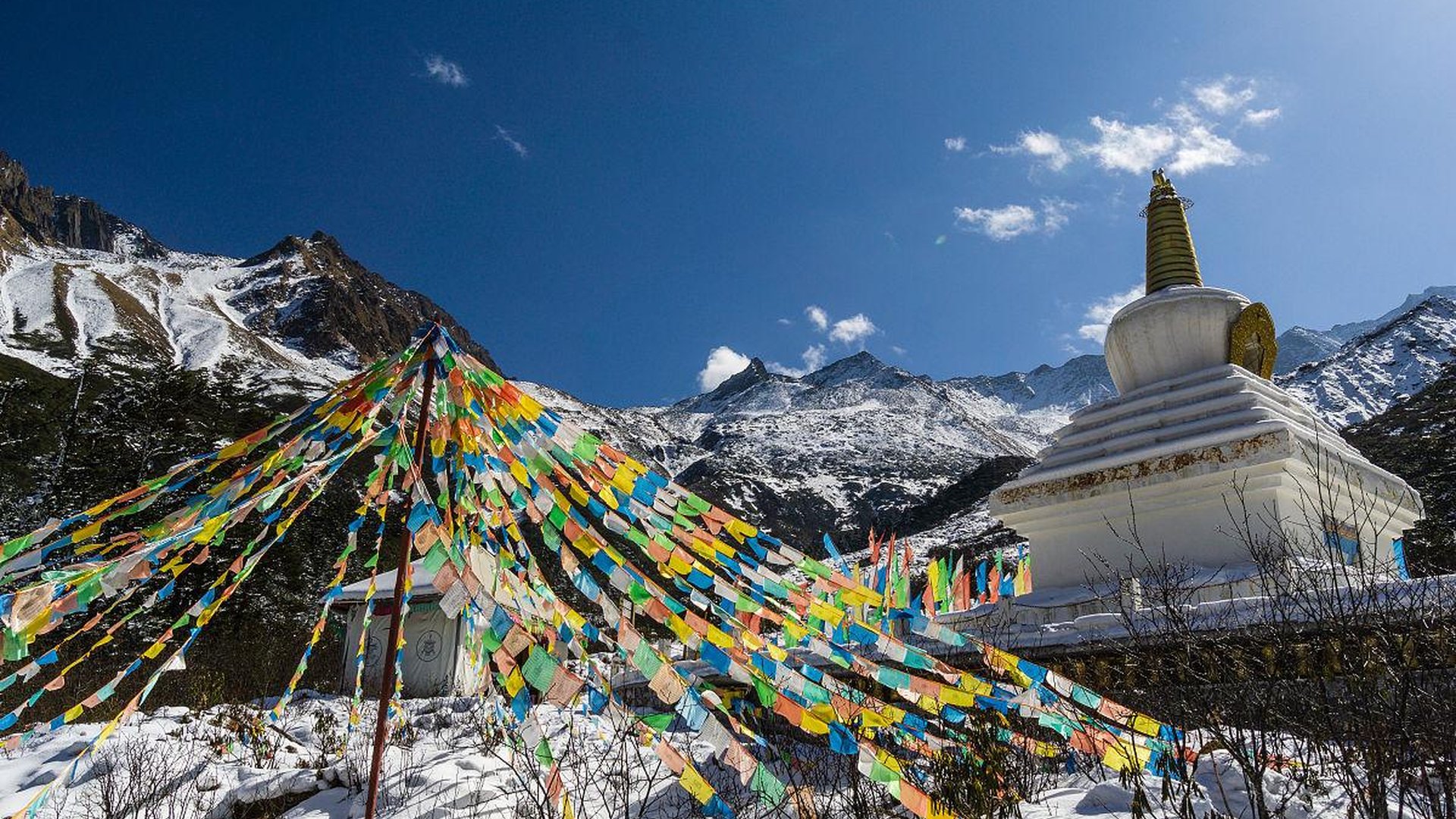
Yunnan’s Bimo Ancient Village: Where History Lives in Every Stone
In Yunnan Province, near the border with Myanmar, the village of Bimo preserves a culture so old, it predates written records. With homes built from aged stone, wooden beams carved with ancestral symbols, and a central courtyard where elders still tell myths around a fire, Bimo feels like stepping into a living museum.
What sets it apart is not just its age, but its rhythm. Time here moves differently—no clocks, no rush. Work begins at sunrise; meals are late, made over open hearths. During the annual Bimo Festival, villagers wear traditional batik clothing dyed with natural pigments and perform ritual dances that honor the mountain spirits.
One morning, I sat with a grandmother named Ailin, her hands gnarled from decades of weaving. As she showed me how to braid rope from wild hemp, she said, ‘We don’t build things to last forever. We build them to be used, to carry life, to return to earth.’ Her words stayed with me long after leaving.
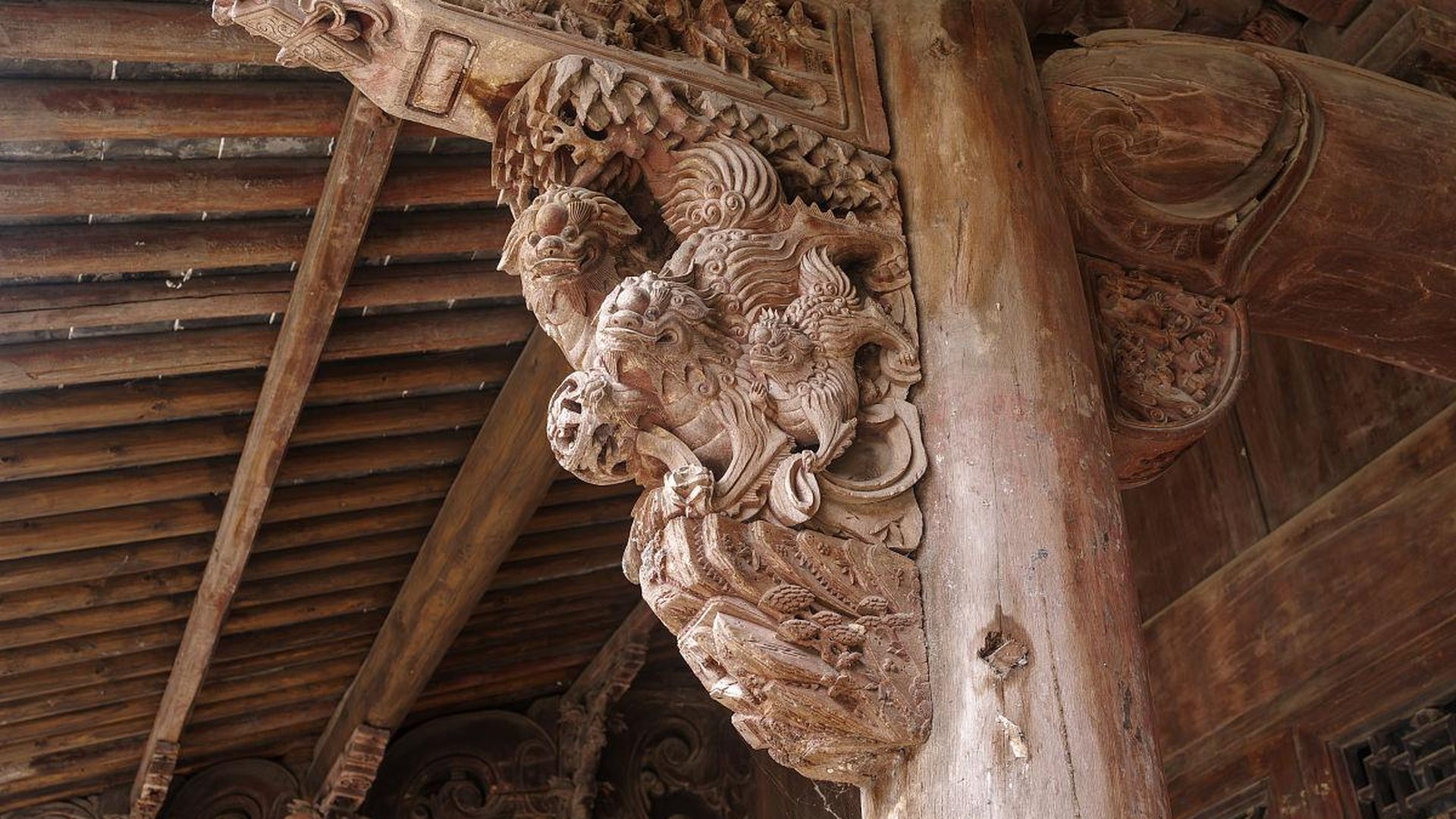
Seoul-Style Meets Ancient China: The Magic of Xian’s Old City Alleys
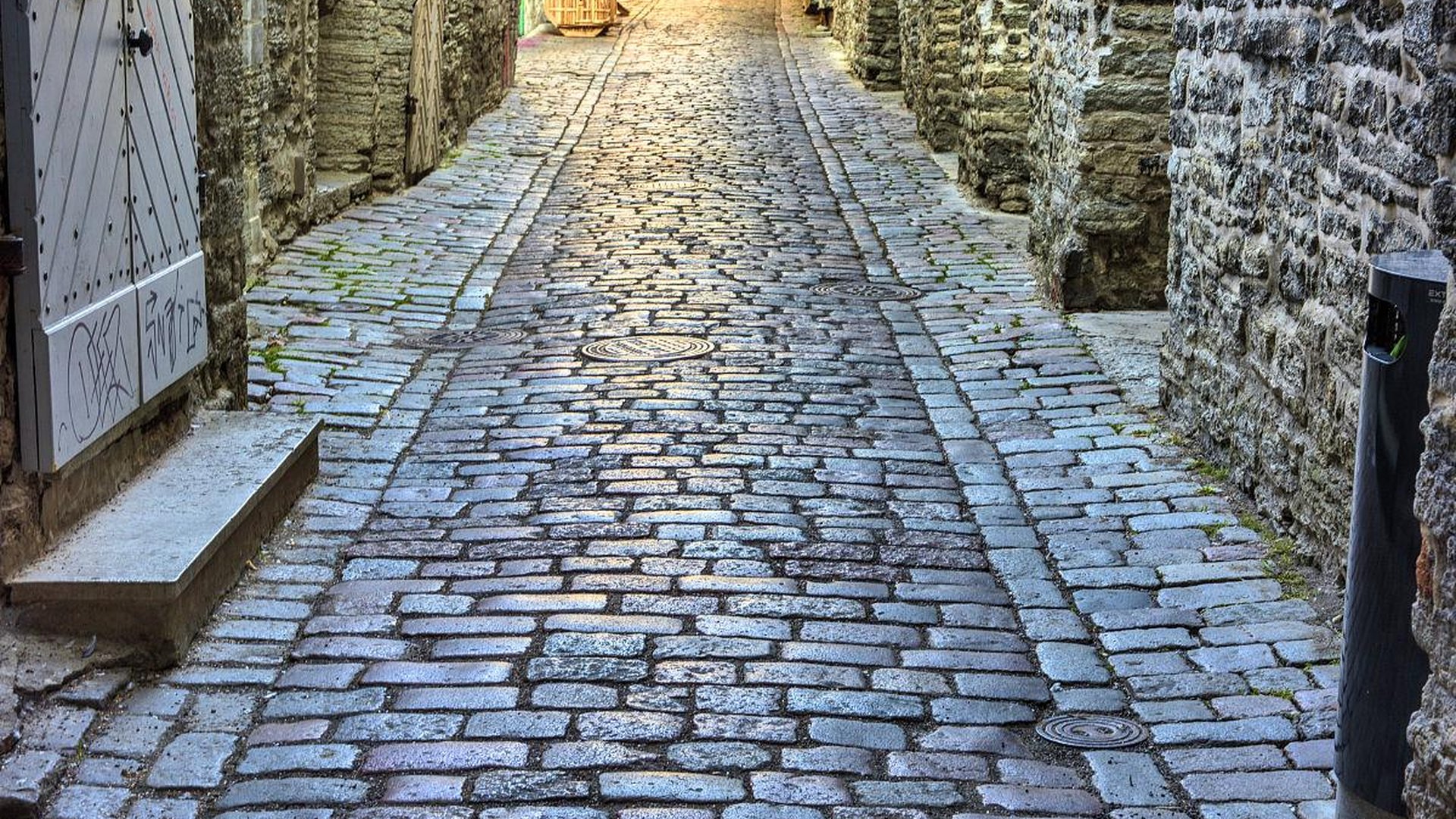
While cities like Chengdu or Hangzhou are famous for their cuisine, few know about the quiet charm of Xian’s lesser-known alleys—the Jinshi and Shuyuan lanes near the City Wall. Unlike the loud, touristy streets near the Terra Cotta Warriors, these narrow lanes are lanes where cobbled stones echo under the feet of locals, not backpackers.
Here, you’ll find tea shops run by widows who’ve been serving the same blend for 40 years. Old men play mahjong under parasols in the shade of gingko trees. Small eateries serve handmade dumplings wrapped in banana leaves—food that hasn’t changed since the 1950s.
One evening, I followed a single light through the maze, ending at a courtyard kitchen where a woman named Li Yan was preparing a meal of steamed yam and fermented tofu. As we sat on low stools, she told me how her grandfather was a soldier in the war, and how she keeps his old military cap on a shelf, not as a relic, but as a reminder to keep calm in hard times.
Why These Hidden Gems Matter
Travel isn’t just about ticking boxes. It’s about transformation. The top 10 hidden gems in China for travelers aren’t just places on a map—they’re doorways to understanding. They show how tradition and modernity coexist, how people live with reverence for nature, and how beauty persists even in the absence of fame.
These spots aren’t perfect. There’s no 5-star hotel. No Wi-Fi. No tourist shops. But they offer something far more valuable: presence. The chance to slow down, to listen, to see the world not as a backdrop, but as a living story.
So if you’re planning your next journey, don’t just chase the famous. Look for the quiet paths, the untouched fields, the elder’s hands showing you how to weave a rope, the monk’s prayer wheel spinning in silence. That’s where real travel begins.