You’ve walked the cobbled streets of Prague, sipped espresso in Florence, and marveled at the Eiffel Tower’s glow at night. But what if there’s more to Europe than the postcard-perfect cities everyone knows? Beyond the well-trodden paths lies a quieter, wilder version of the continent—where time slows, traditions remain untouched, and beauty isn’t framed by a tourist badge. This is where real travel begins. Welcome to the heart of Europe’s hidden gems.
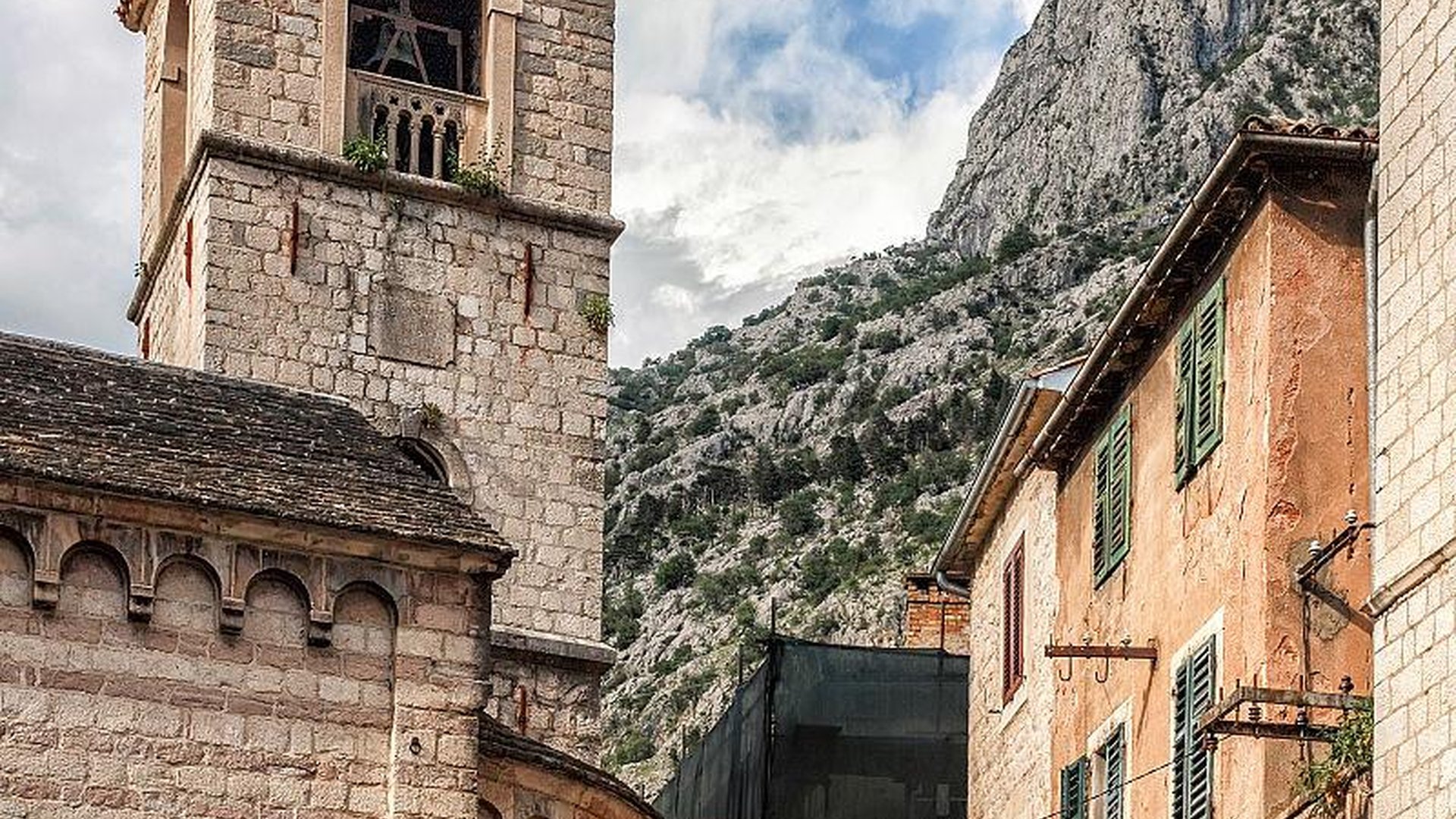
Tucked between the Alps and the Adriatic coast, the village of Kotor in Montenegro feels like a page torn from a medieval fairy tale. Perched on a deep fjord-like inlet, with steep stone cliffs rising on all sides, Kotor is more than picturesque—it’s alive with quiet magic. Unlike the overpacked streets of Venice or the tourist-swept lagoons of Dubrovnik, Kotor offers a sense of peace that feels almost forbidden. Early in the morning, when the mist still blankets the harbor, you can walk the city’s 12th-century walls on your own. The path winds through ancient gates, past abandoned watchtowers, and opens to breathtaking overlooks where the sea glimmers like liquid silver. At the top, an empty stone bench awaits—not a single soul, just the sound of wind and distant church bells. This is travel as it should be: simple, soulful, and undisturbed.
Not far from Kotor, but worlds away in atmosphere, lies the Basque fishing village of Oiartzun in northern Spain. Most travelers rush toward San Sebastián or Bilbao, missing this unspoiled gem hidden in the green, misty hills of the Basque country. Oiartzun isn’t on most maps—partly because it doesn’t need to be. The village sits like a secret under a blanket of fog, with slate-roofed houses huddled around a single church. In summer, the local festival of San Roque brings music that spills from door to door. Locals invite strangers into their homes for txipirona, a small squid stew, served with a glass of crisp Txacolina wine. No signs. No guides. Just warmth. One afternoon, a woman named Amaya offered me a seat on her porch. We didn’t speak much. But over coffee, she showed me the old shearing tools her grandfather used, and told me how the village remembers its dead with lighted candles on All Saints’ Day. In a world ruled by apps and check-ins, that moment was a gift—real connection, unfiltered.
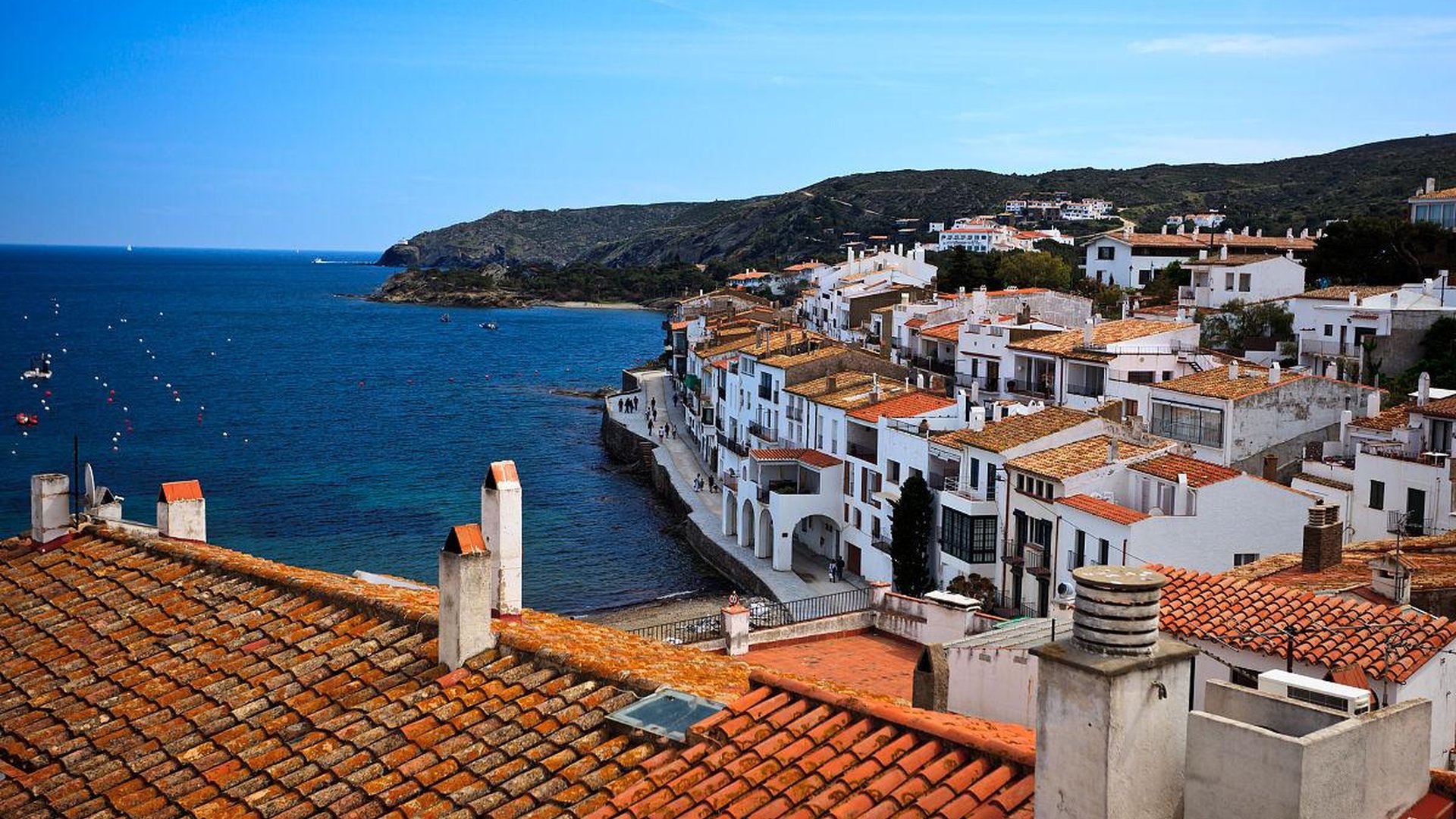
But hidden gems aren’t always remote. Sometimes, they’re tucked into the margins of the cities most travelers think they know. Take Ljubljana, Slovenia’s capital. Yes, you’ve likely heard of it as a green city with a dragon bridge. But the real magic lies in the quiet corners: the jasmine-scented alley behind the old town’s fish market, a second-hand bookstore with wooden shelves that groan under old poems, or the rooftop garden at the Art Gallery, where, on a quiet Tuesday, you might find an elderly man playing accordion and a group of students sketching the river below. It’s not in any guidebook. It’s not tagged on Instagram. But it’s real. And it’s what makes Ljubljana feel more like a living city than a postcard.
Why do these places matter? Because they remind us that travel isn’t about ticking boxes or chasing views. It’s about staying long enough to hear a language spoken with meaning, to see a tradition passed down without exhibition, to feel the weight of history in a stone wall. These aren’t just destinations—they’re experiences rooted in place, culture, and time.
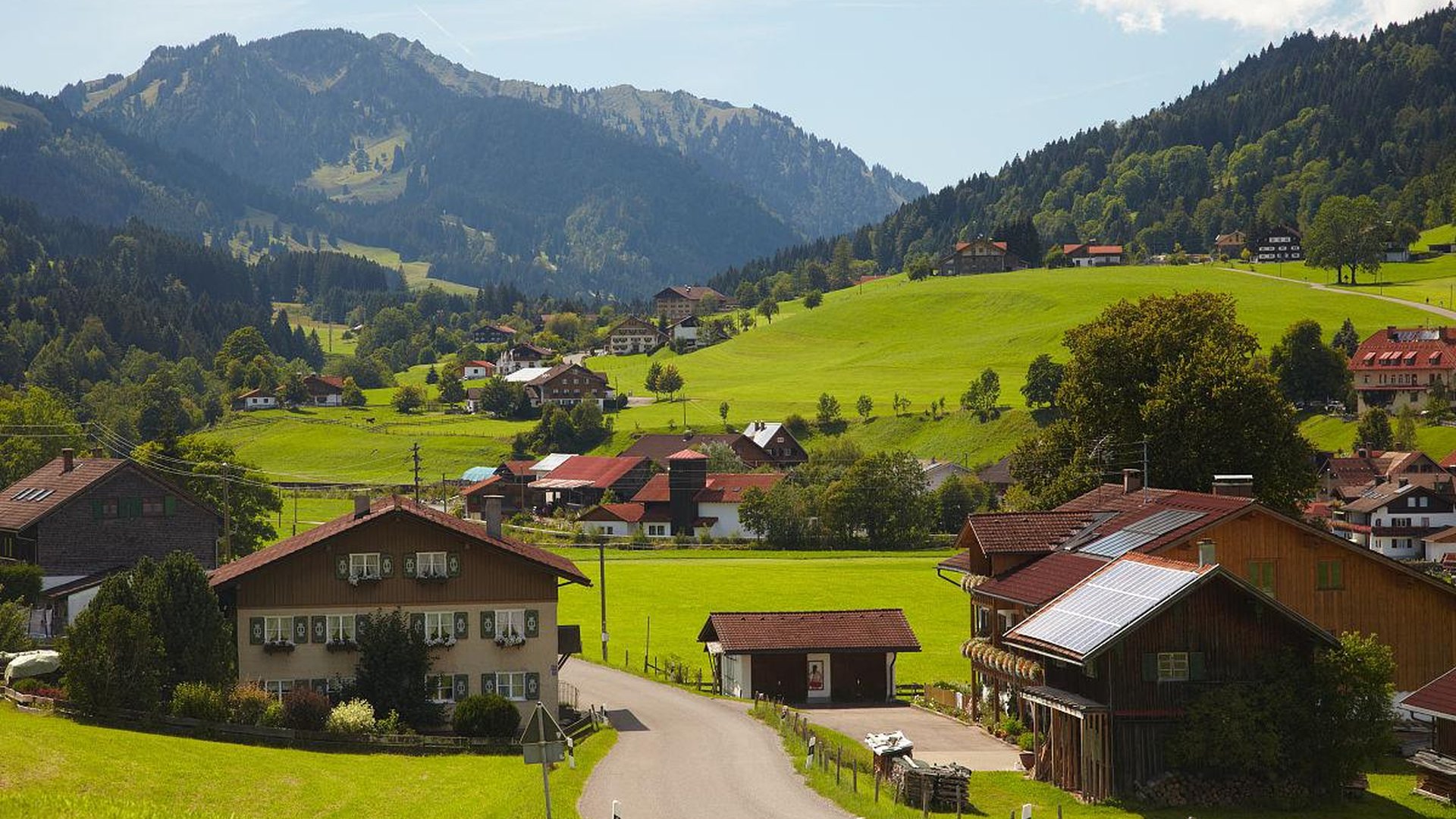
Europe’s hidden gems thrive not because they’re unknown, but because they’ve resisted being sold. A village in the Croatian Dalmatian hinterland where farmers still hand-press olives in stone basins. A small coastal town in southern Italy where fishermen still use wooden boats painted with floral motifs passed down through generations. These aren’t tourist traps. They’re traditions still breathing.
Planning your journey isn’t complicated. Start by leaving the main highways. Take a regional train instead of a direct flight. Walk through market squares at dinnertime, not just on the way to your hotel. Ask locals where they go to unwind—not what they recommend for visitors. And when you find a quiet path, a corner bench, a handmade wooden sign, don’t rush. Breathe. Listen. This is where travel becomes meaningful.
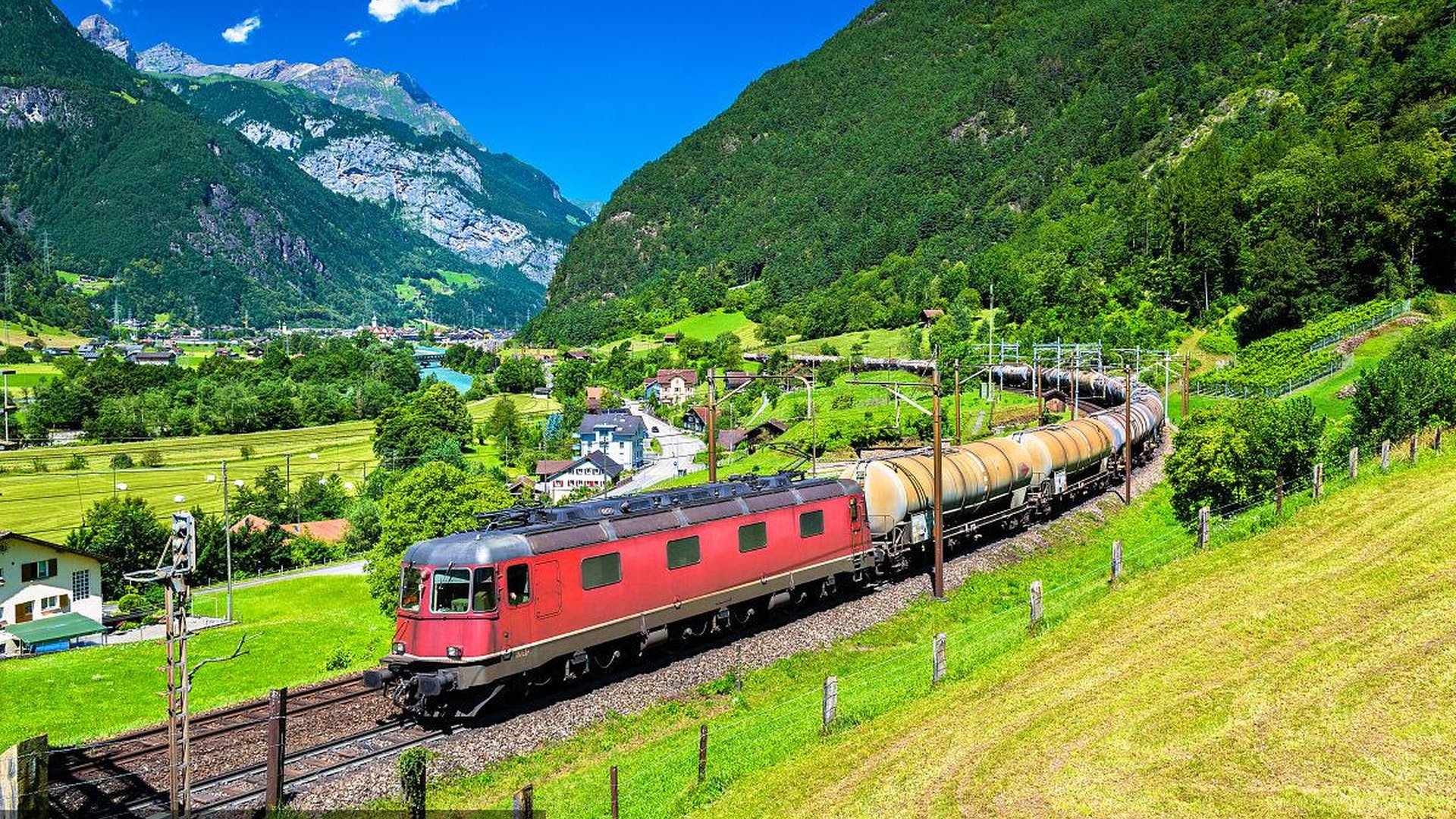
Of course, authenticity comes with responsibility. These places are fragile. When you visit, respect daily life. Don’t crowd sacred spaces. Don’t take photos when people are praying or working. Support local shops over chains. Eat at family-run eateries. These small choices keep the magic alive.
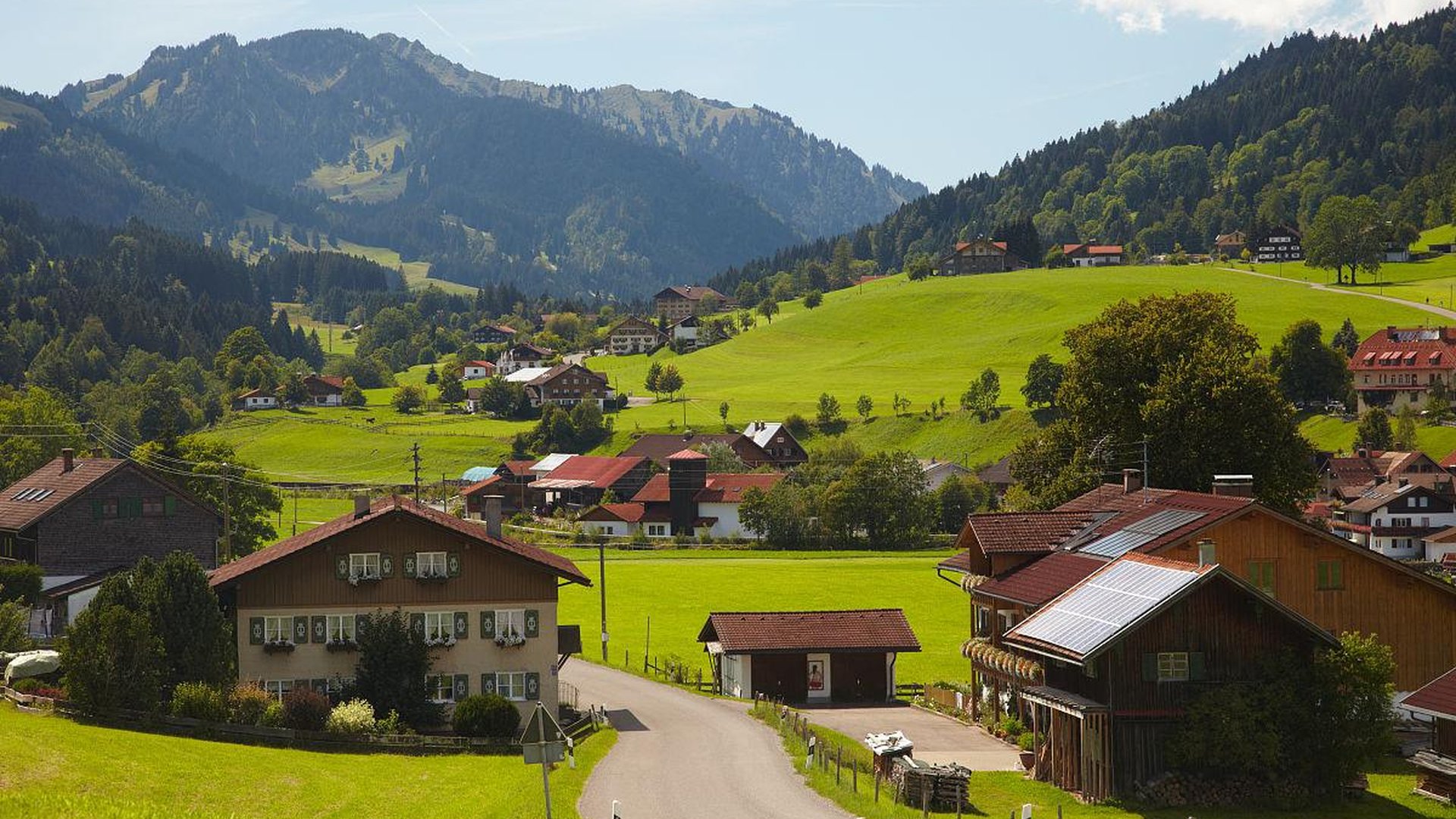
Europe isn’t just a collection of landmarks. It’s a living mosaic of stories, rhythms, and quiet daily miracles. These hidden gems aren’t hidden for long—but they can stay special if we care to protect them. So pack light. Travel with curiosity, not just a camera. And let Europe surprise you, not just as a place to see, but as a place to remember.