Europe is famous for its postcard-perfect cities—Paris, Rome, Barcelona, and Florence. But beyond the well-trodden tourist trails lies a quieter, more meaningful side of the continent. These are the places where cobblestone streets still echo with local stories, where cafés serve coffee made in the same way their grandfathers did, and where the pace of life hasn’t been rushed by mass tourism. Welcome to the real Europe—where hidden gems still thrive.
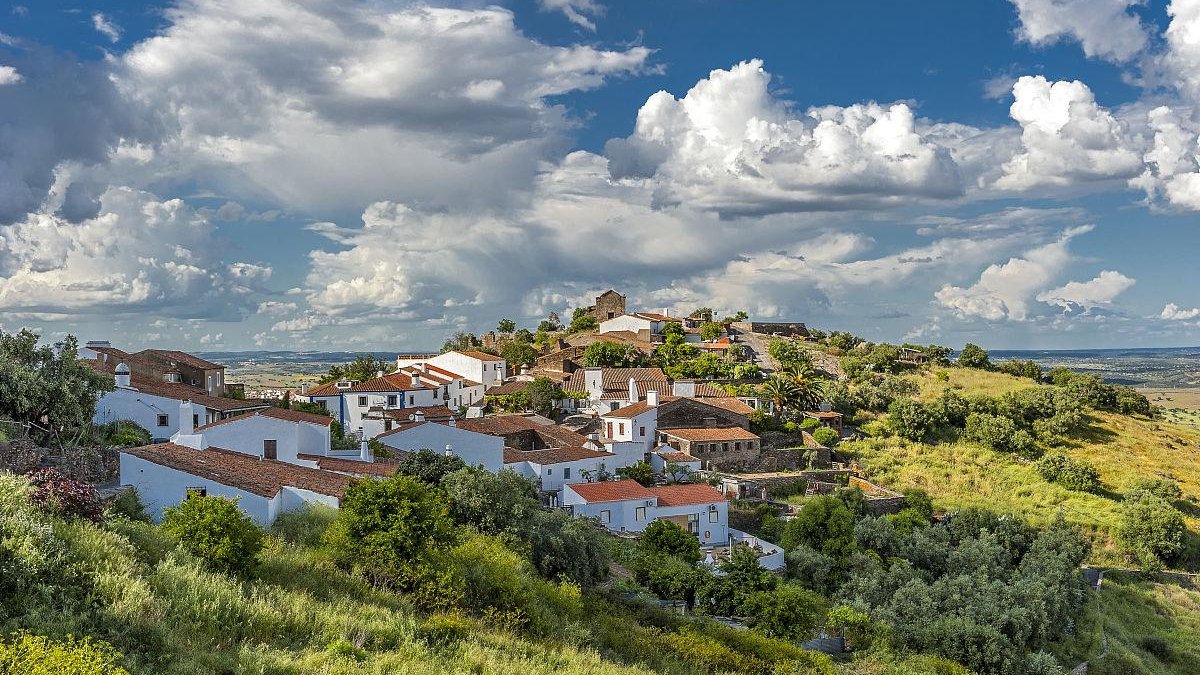
Take the small village of Manderley in southern Portugal, nestled between the Serra de Monchique hills and the Algarve coast. Fewer than 800 people live here, most of them retirees or families who’ve chosen peace over the pace of city life. The village centers around a 17th-century church with a bell tower that rings only at noon and on Sundays. But the real magic is in the afternoon walk along the Ribeira de Manderley, a narrow riverbed lined with wild lavender, olive trees, and stone bridges built by farmers centuries ago. You might meet an elder woman selling homemade almond tarts from a wicker basket. No apps, no maps, just a breeze carrying the scent of rosemary and warm earth.
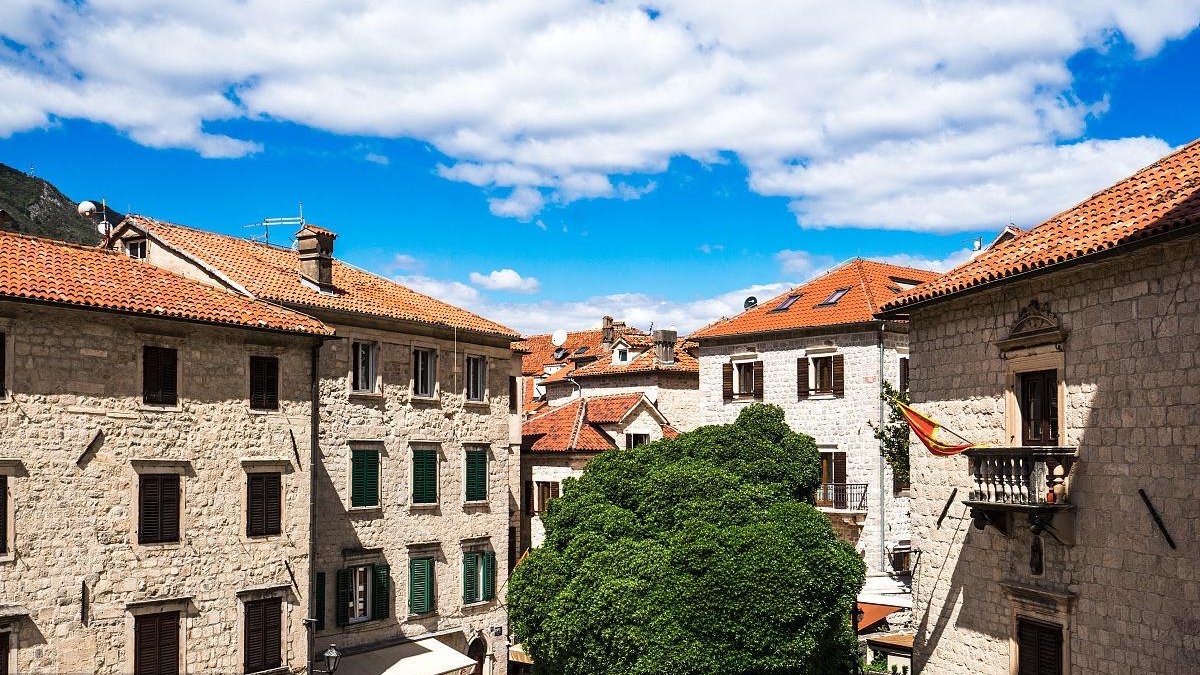
Then there’s the tiny town of Kotor, tucked away in the Bay of Kotor in Montenegro. Most travelers fast-track to the more famous destinations like Dubrovnik or the Croatian islands. But Kotor offers something more intimate—a walled city clinging to a deep fjord-like inlet, surrounded by ancient stone walls and over 1,300 steps leading up to its medieval fortress. The town doesn’t scream for attention. Instead, it whispers. At dawn, the mist hovers over the bay, and the domes of the Saint Trifon Cathedral glow softly as sunlight breaks through. In the narrow alleyways, you’ll find a centuries-old bakery where a single loaf of rye bread still rises in stone ovens, sold only to locals at 6 a.m. It’s these small, quiet rituals—the ones not carved into brochures—that give hidden gems their soul.
Why seek these places? Because travel isn’t just about ticking off famous landmarks. It’s about connection. It’s about sitting in a café with no Wi-Fi and a handwritten menu, listening to a conversation in a language you don’t fully understand but feel anyway. It’s about staying in a guesthouse run by a grandmother who insists on making pasta from scratch, even if it takes an extra two hours. These moments don’t appear at the top of travel rankings. They’re not sponsored. They’re real.
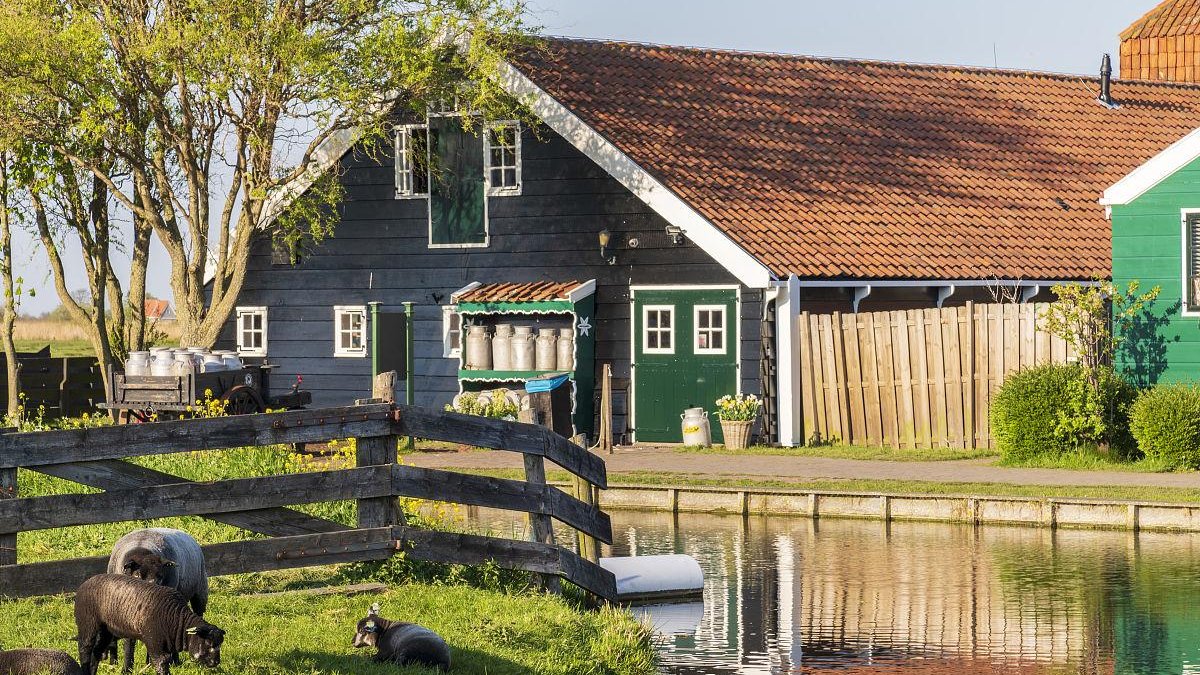
Not every hidden gem is remote or quiet. Some shine because of their unique cultural rhythm. In the region of Drenthe, in the northeastern part of the Netherlands, lies the village of Westerbork. It’s more than just a dot on the map—it’s a place where history and simplicity coexist. Once a WWII transit camp, it now hosts a quiet museum and annual arts festival featuring local musicians, fiber artists, and storytellers. The surrounding countryside is flat, windswept, and dotted with windmills that haven’t turned in years—but still stand proudly. Visitors often arrive seeking escape. They leave with a new way of seeing stillness.
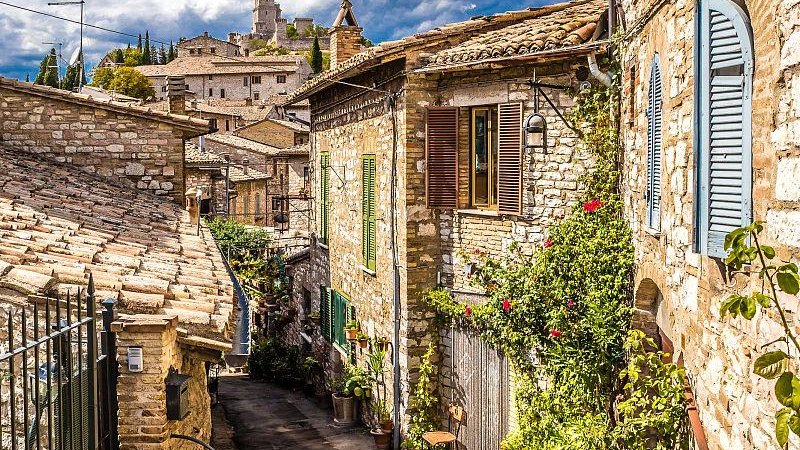
Another example is the village of Pietraserena in central Italy’s Umbrian hills. It’s not on major routes, and there’s no train station. The only way in is a winding hill road, sometimes blocked by fog in autumn. Yet, every autumn, hundreds of travelers go out of their way to reach it—just to taste the local truffles, grown in soil so rich that they’re said to glow under moonlight. Many stay at a centuries-old farmstead, where breakfast is served on wooden tables outside, with fresh eggs, wild honey, and a view of the valley as it wakes up. No cameras allowed on the porch. No guides. Just the sound of sheep bells and a sense of deep calm.
What makes these places truly special isn’t just their beauty or charm. It’s their resistance to over-commercialization. They haven’t been redesigned for tourists. They still feel like home. When you visit, you’re not a guest—you’re a temporary resident in someone else’s life.
But exploring hidden gems isn’t about avoiding all crowds. It’s about choosing intentionality over convenience. It’s about planning a two-day visit to a small town because you want to walk the same path as farmers did in the 1800s, not because it’s on Instagram. It’s about traveling with curiosity instead of checklists.
How to find them? Start by looking beyond the top 10 travel lists. Use local tourism websites, not just global ones. Follow local bloggers, not influencers. Visit small town forums or Facebook groups where residents share daily life. Ask locals: “Where do you go for a quiet weekend?” The answers often surprise you.
And always, always respect the rhythm of the place. Don’t rush. Don’t demand photos at historic sites. Visit in shoulder seasons—late spring or early autumn—when the light is softer and the crowds thinner. Arrive with an open mind, not a camera.
Europe isn’t just its most famous cities. It’s also in the village baker who still kneads dough by hand, in the old man who waters the flowers in front of his house every evening, in the girl who paints murals on walls no one else notices. These are not just destinations. They’re living moments.

So next time you plan a trip, don’t just go to see more. Go to feel more. Go to listen. Go to wonder. Discover hidden gems in Europe—because the most unforgettable journeys aren’t the ones that led you to the front page of a magazine. They’re the ones that quietly led you to the heart of a place.