Discover Hidden Gems in Southeast Asia
Southeast Asia is more than just Bangkok’s bustling streets, Bali’s beach clubs, or Phuket’s tourist traps. Beyond the well-trodden paths lies a quieter, more authentic side of the region—one filled with untouched villages, hidden waterfalls, and local traditions that have changed little over the decades. If you’re looking to escape the crowds and truly connect with the heart of Southeast Asia, it’s time to discover its hidden gems.
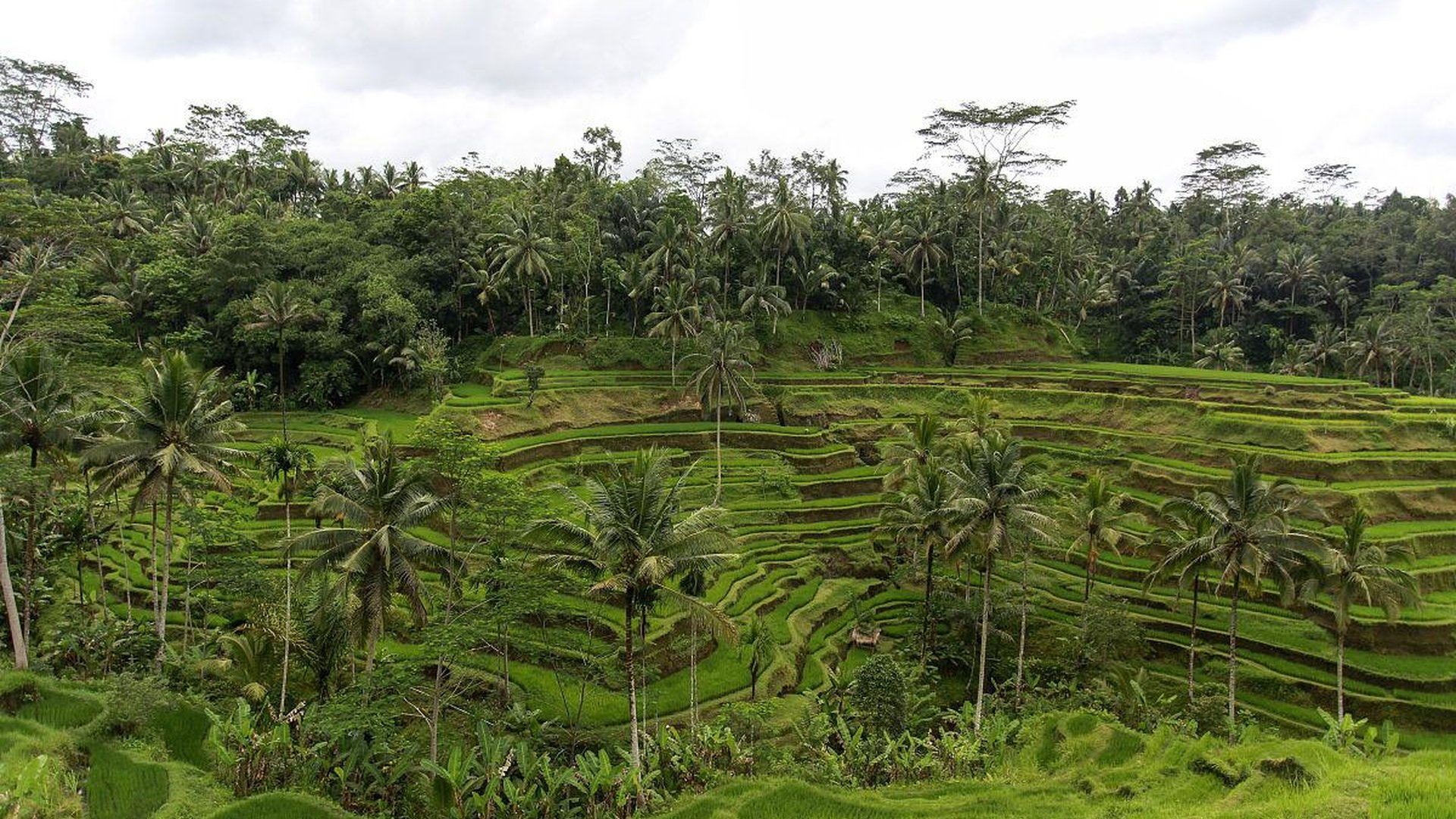
Start with the rural highlands of northern Vietnam, where the town of Sapa isn’t just known for its famous rice terraces—it’s also home to Hmong, Dao, and Red Dao communities who’ve lived here for generations. While many tourists visit for the views, few go deeper to learn about their weaving techniques, traditional music, or seasonal festivals. A homestay with a local family offers not just a place to sleep, but a real window into daily life, from cooking sticky rice over an open fire to sharing stories under a sky full of stars.
Just across the border in northern Laos, the town of Luang Prabang might be famous, but few venture to the nearby village of Ban Phou Pheung. This small village, nestled along a slow-moving river, is home to the Hmong people who still practice ancestral farming. Visitors can walk through the jungle to a remote waterfall, join a community cooking class using wild herbs, or simply sit with elders who still speak only their native tongue. It’s not glamorous. But it’s real.
Further south, the island of Simeulue, off the coast of Sumatra, remains a true secret. After the 2004 tsunami devastated much of Indonesia’s coastline, Simeulue was spared due to a local legend that warned people to flee to higher ground when the ground trembled—an instinct passed down for generations. Today, the island is a peaceful haven of green hills, coral reefs, and simple beachside homestays. Locals still use traditional fishing boats and hand-weave baskets from palm leaves. There’s no Wi-Fi. No chain hotels. Just the sound of waves, birds, and laughter.
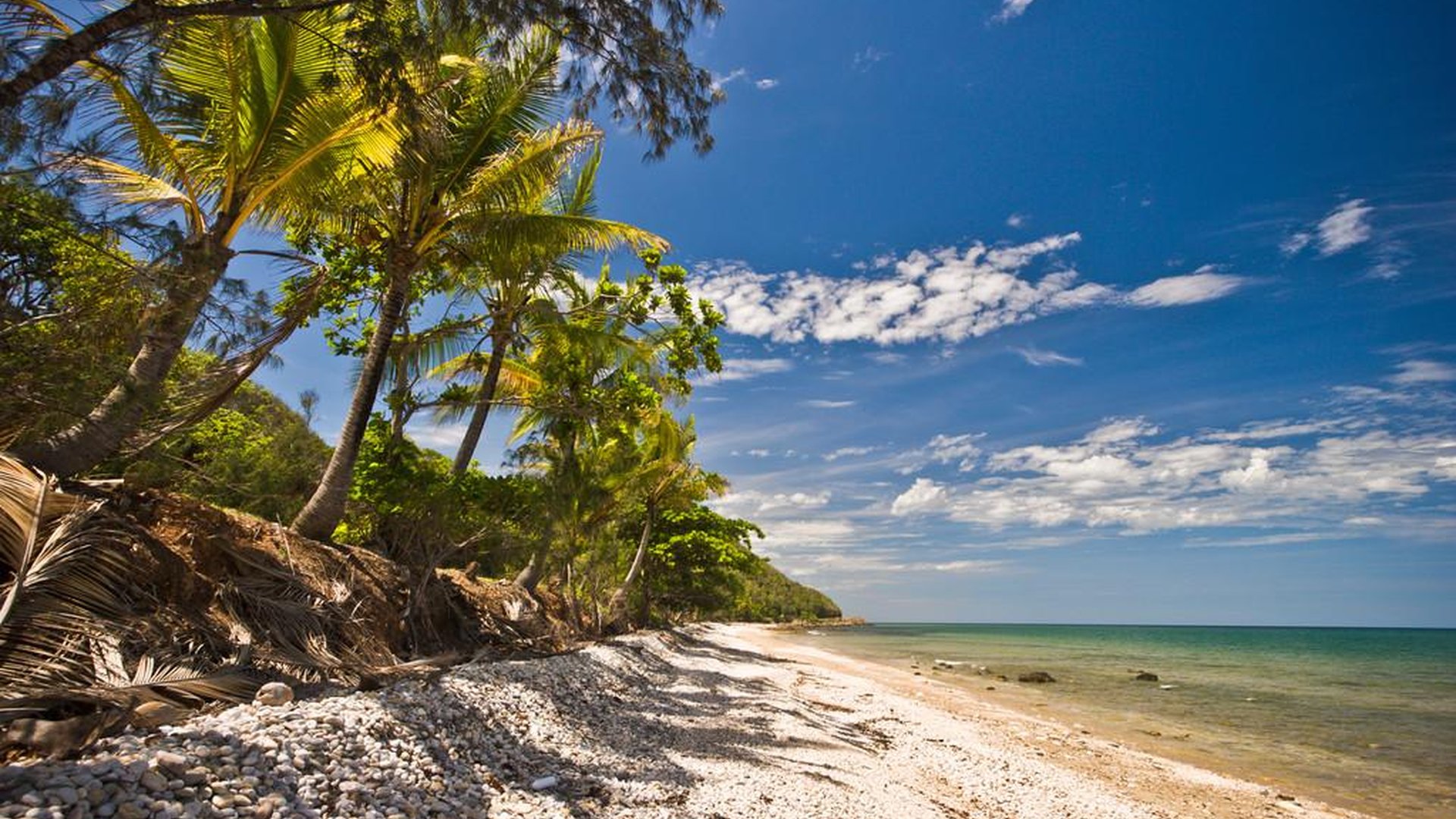
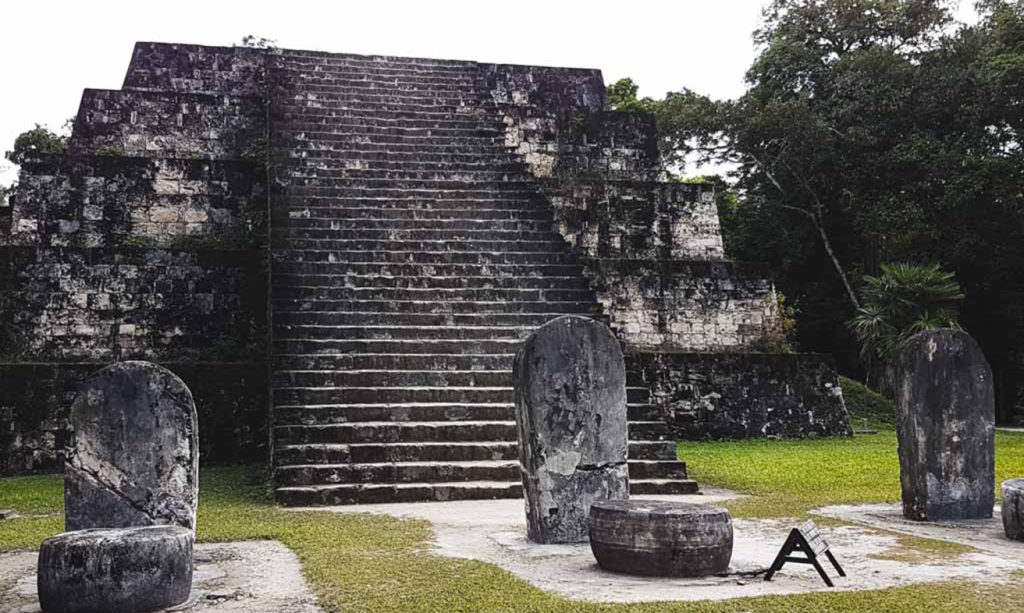
In Cambodia, beyond the famous Angkor Wat, lies the quiet town of Koh Ker. Once the capital of the Khmer Empire in the 10th century, this jungle-covered site is now home to fewer than 500 visitors a day—compared to Angkor’s 20,000+. The temples are overgrown, the stone carvings mossy, and the atmosphere almost spiritual. Hiking through the jungle to reach the main pyramid is an adventure in itself. You might spot a wild boar, hear a hornbill call, or find a stone lion half-buried in the earth. It’s not for the casual traveler. But for those who love history and solitude, it’s perfect.
For nature lovers, the jungles of the Malaysian state of Sarawak on Borneo Island hold one of Asia’s last true wildernesses. The town of Miri might not be on most travel lists, but it’s a gateway to the Mulu Caves, where you can walk through enormous limestone chambers lit only by headlamps. At night, you might spot fireflies over a river or hear the distant calls of proboscis monkeys. In nearby longhouses, you’ll meet Iban tribespeople who still live in communal homes, cook on open fires, and celebrate festivals with traditional dances and drumming.
And then there’s the sleepy village of T’boli in the highlands of southern Philippines. Here, the T’boli people are known for their intricate handwoven textiles, dyed with natural pigments from plants and roots. Their culture centers around the belief in the “Bulul”—a spirit guardian in the form of a wooden statue. Visitors can spend a day learning to weave, participate in a ritual dance, or simply watch the sunrise over misty mountains. It’s not a place you’ll find on Google Maps, but it’s exactly the kind of experience that makes travel meaningful.

What makes these destinations truly special isn’t just their beauty or remoteness—it’s the opportunity to interact with people whose lives haven’t been shaped by tourism. You’ll eat meals made from ingredients grown in backyards, sleep in bamboo huts with thatched roofs, and learn traditions that have survived centuries. These aren’t staged performances. They’re everyday life.
Traveling to hidden gems also means being respectful. Pack light, carry trash out, and always ask permission before taking photos. Many of these communities still live in harmony with nature—and they don’t need to be “discovered” to be valued.
Planning a trip to these places doesn’t require a luxury budget. Often, a local bus, a small homestay, and a few days of patience are all it takes. The reward? A deeper understanding of Southeast Asia—not as a postcard, but as a living, breathing world.
So next time you’re thinking about your next getaway, skip the overpriced beach resorts and the packed temples. Instead, pack your curiosity, your open mind, and your sense of adventure. Southeast Asia has more to offer than just the famous spots. It’s waiting—quietly, patiently—for those who are ready to look beyond the obvious.
Let your journey not be about ticking boxes, but about truly experiencing a place. That’s how you find the real magic.
Discover Hidden Gems in Southeast Asia—and find yourself in the process.